Eight temples, one trip
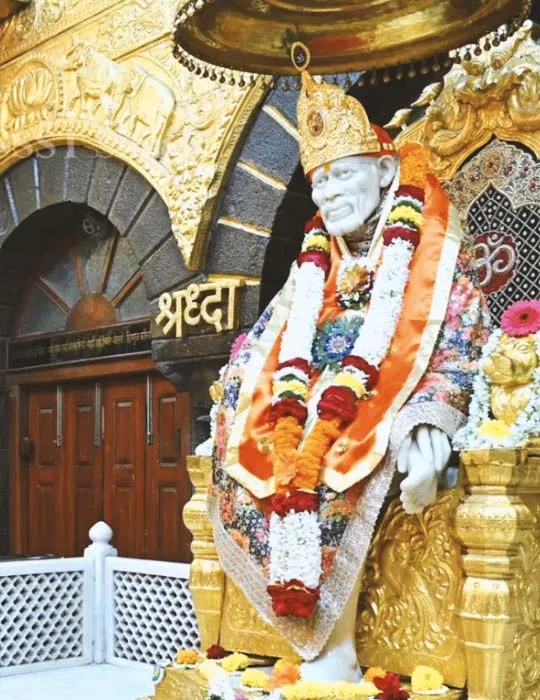
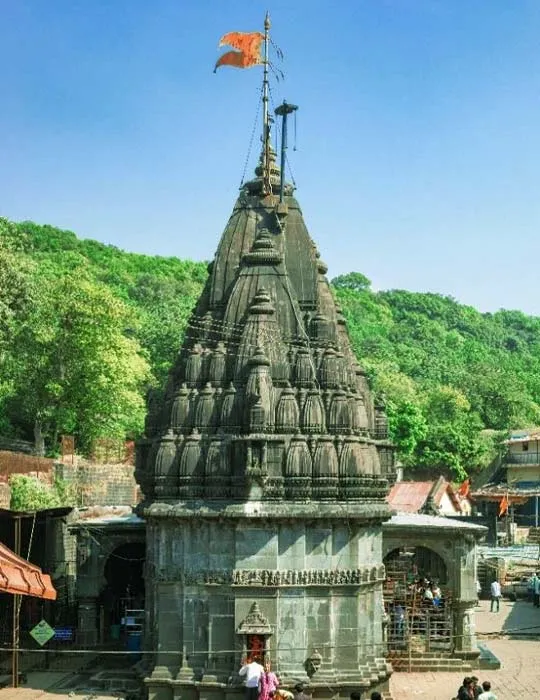
The Ashtavinayak are eight ancient Ganpati temples, each with a swayambhu (self-formed) idol and its own legend. For many Maharashtrian families, completing the yatra together is a lifelong wish, and doing it in a single group vehicle keeps everyone together from the first darshan to the last.
Five of the temples are in Pune district (Morgaon, Theur, Ranjangaon, Ozar and Lenyadri), one is in Ahmednagar district (Siddhatek) and two are in Raigad district on the Konkan side (Pali and Mahad). That spread is why a good route plan matters more on this trip than on almost any other.
How the route usually works
On the first day you loop south-east and then north. Theur is just outside Pune, Morgaon lies beyond Jejuri towards Baramati, and Siddhatek sits on the bank of the Bhima river near Daund. From there you head north to Ranjangaon and then on to Ozar near Junnar, where most groups stop for the night.
The second day starts with Lenyadri, where Ganpati is worshipped inside a hillside cave reached by a long flight of steps. After that you come back towards Pune and cross the Sahyadri towards Khopoli for Varadvinayak at Mahad and Ballaleshwar at Pali. Pali is the only temple named after a devotee, the young boy Ballal. The drive home goes back up the ghat to Pune.
Some families prefer the traditional order beginning and ending at Morgaon. That adds some kilometres, but your driver can plan it that way if it matters to you.
Two days or three?
Two days is enough for most groups, but it means early starts and long evenings in the vehicle. If you are travelling with grandparents or small children, booking your Ashtavinayak darshan tempo traveller from Pune for three days makes a big difference. A relaxed plan keeps Theur, Morgaon and Siddhatek for the first day, Ranjangaon, Ozar and Lenyadri for the second, and Mahad and Pali for the last, with comfortable night stays in between.
Planning for a group
A Pune Ashtavinayak darshan tempo traveller is popular with housing societies, senior citizen groups and extended families, because everyone can travel, pray and eat together. For groups of 15 to 25, the 20-seater and 26-seater keep things simple with one vehicle and one driver. Smaller families usually take the 12 or 14 seater. Our guide on which tempo traveller size to book explains how to leave room for luggage on overnight trips.
How pricing works for a two-day circuit
Because this is a multi-day trip, the fare is calculated per km with a daily minimum distance for each day. Toll, parking and the driver’s allowance for the night are usually extra. The price page has the details, and we share a clear quote before you confirm.
A few things to remember
Each temple has its own crowd pattern. Theur and Ranjangaon fill up quickly on weekends because they are close to the city, and every temple is packed on Sankashti and Angarki Chaturthi. Starting early on both days gives you the best chance of calm darshan everywhere.